
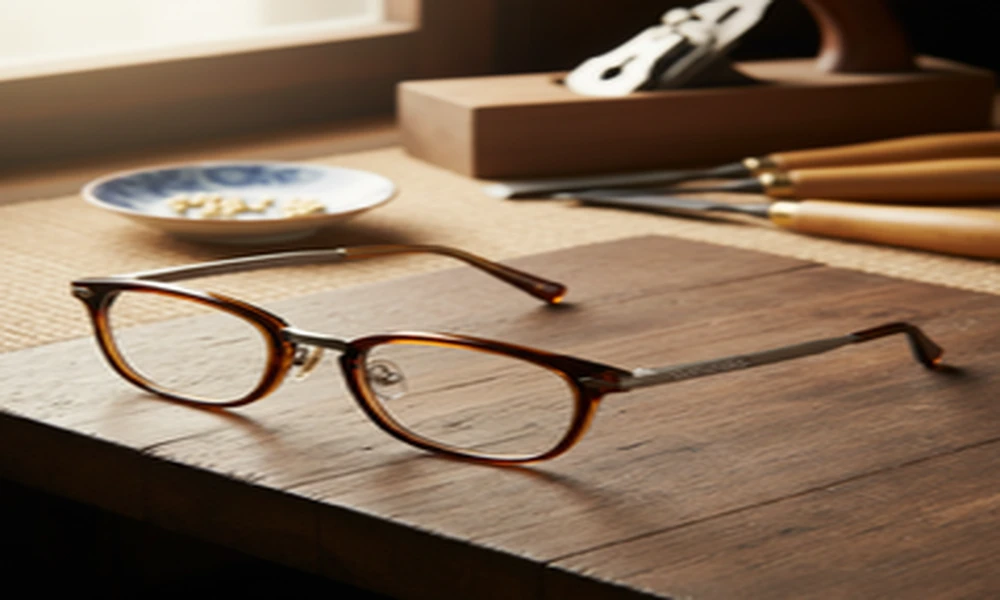
For discerning individuals who view accessories as an extension of their personal identity, handmade japanese eyewear represents the pinnacle of optical engineering and artistic expression. Unlike mass-produced frames that prioritize speed and volume, these pieces are born from a culture of monozukuri, a philosophy that emphasizes the relentless pursuit of perfection in manufacturing. This dedication to craft is most evident in the Fukui and Sabae regions, a global hub where optical heritage dates back to 1905. By choosing frames born from this specialized ecosystem, collectors are not just purchasing a vision aid; they are acquiring a durable, long-term asset that balances heritage with modern aesthetics. To explore a curated selection of these masterfully crafted pieces, you can visit Sun of Japan to discover frames that define premium quality.
Why handmade japanese eyewear commands premium value
The justification for the premium pricing of these frames lies in the sheer intensity of the production process. A single pair of high-end frames can undergo as many as 200 manual steps, ranging from the intricate sculpting of acetate to the delicate application of hand-engraved filigree. This labor-intensive approach ensures that every detail, from the comfort of the bridge to the tension of the hinges, is meticulously calibrated for the wearer. Furthermore, the industry in Sabae has been a pioneer in material innovation, notably introducing the first titanium frames in 1981. This commitment to using lightweight, corrosion-resistant materials ensures that the final product offers unparalleled ergonomics for all-day wear while maintaining its structural integrity for years.
When evaluating the benefits of investing in authentic handmade frames, consider these factors that distinguish Japanese manufacturing from conventional alternatives:
In-house quality control: Many leading workshops maintain strict internal production standards, overseeing every stage from initial mold development to the final polish to ensure superior fit and finish.
Enduring durability: The extensive manual polishing and finishing processes significantly improve scratch resistance and appearance retention, ensuring the frames age gracefully.
Exclusive artistry: Because production is limited by the capacity of master artisans, these frames carry an inherent sense of exclusivity that mass-market luxury brands cannot replicate.
In an era dominated by fast fashion and ephemeral trends, the decision to invest in handcrafted eyewear serves as a statement of values. It reflects a preference for authenticity, precision, and the quiet confidence that comes from wearing a product made with intentionality and care. The heritage of the Fukui region acts as a trust signal, promising that each frame has been shaped by generations of intergenerational expertise. Whether you require RX-ready lenses or are seeking the perfect pair of designer sunglasses, the focus on technical excellence ensures that your investment remains relevant and functional regardless of shifting fashion cycles. By prioritizing these artisan-made goods, you align yourself with a tradition that honors the customer through every refined curve and polished surface.