
1.INTRODUCTION
The quality of a diamond depends on several factors. Its entire look is determined by several aspects that affect its brilliance, attractiveness, and worth. The four C’s that are most often recognised are cut, colour, clarity, and carat weight. However, shape, size, and personal preference are also important considerations when deciding whether a diamond is truly attractive.
When evaluating a diamond, it is helpful to consider how different characteristics work together rather than focusing on a single specification. diamond quality is influenced by factors such as cut, colour, clarity, and carat weight, while shape and proportions also contribute to the stone’s overall appearance. Understanding these elements can help buyers compare options more confidently and choose a diamond that offers the right combination of brilliance, character, and value for their needs.
2. THE IMPORTANCE OF CUT
Cut has a significant impact on how a diamond appears when it catches light. Rather than just referring to a diamond’s shape, it describes how it has been polished, finished, and proportioned. Brightness and glitter can be produced by a well-cut diamond’s exquisite light reflection. The stone may appear darker or less vibrant if the proportions are off because light may escape through the bottom. Because of this, even diamondssomecomparable size might occasionally differ noticeably in terms of cut quality.
3. COLOUR AND OVERALL APPEAR PREFER WARMER HUES BECAUSE THEY CAN LEND
pparent body colour in a diamond. Higher colour grades in conventional white diamonds typically have a more colourless appearance, whereas lower grades may appear warmer. Particularly apparent fact is me consumers like warmer hues since they can offer jewellery a unique and timeless personality. Thus, the best option is determined by the wearer’s preferences and the design.
4. CLARITY AND NATURAL FEATURES
Clarity considers a diamond’s interior inclusions and visible flaws. Small flaws are typical because diamonds are organically formed. A diamond that is clearly more gorgeous does not always have a higher clarity rating. What counts are whether inclusions are visible without magnification and whether they have an impact on the brightness of the stone.
5.CARAT WEIGHT AND VISIBLE SIZE
A diamond’s carat weight indicates its weight rather than its apparent size from above. Because of their shapes and proportions, two diamonds with the same carat weight may appear to be different in size. Sometimes a deeper stone with the same weight can look smaller and less stunning than a well-proportioned stone. Carat should therefore be considered in conjunction with cut and size rather than by itself.
6. SHAPE, PROPORTIONS AND CHARACTER
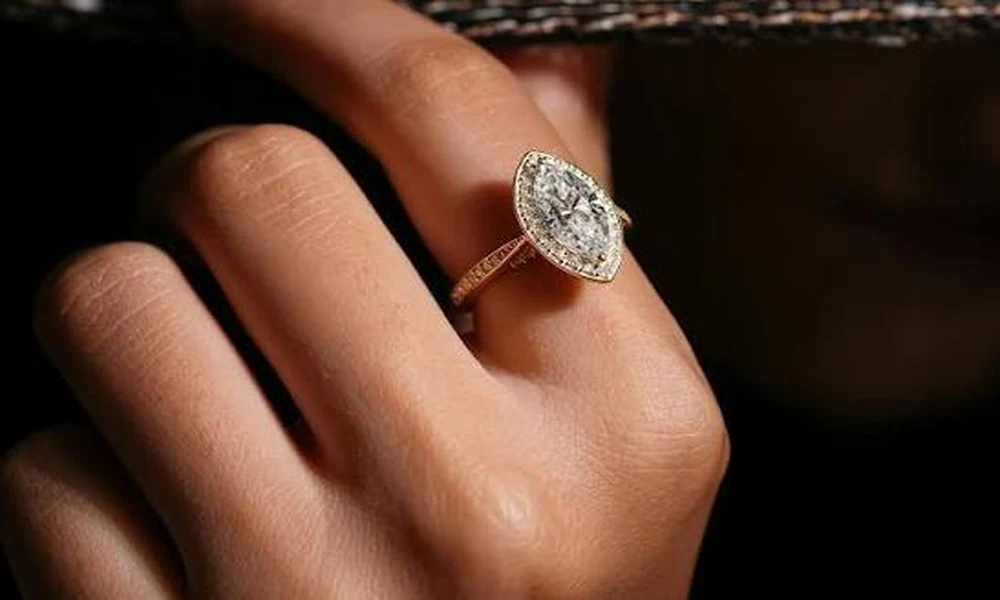
The shape of the diamond considerably influences its personality. Each shape round, oval, pear, emerald, cushion, and so on produces a unique visual impression. Additionally, proportions affect symmetry, balance, and the stone’s ability to reflect light. Particularly when choosing an engagement ring or other significant jewellery, choosing a shape is mostly a question of personal preference.
7. CONCLUSION
Ultimately, diamond appeal stems from the combination of multiple traits rather than a single flawless standard. The final look is influenced by cut, colour, clarity, carat, shape, and proportions. Buyers can make a confident choice by comparing diamonds in person, taking the jewellery setting into account, and consulting a trustworthy grading report. The best diamond isn’t always the one with the best grades; rather, it’s the one that gives each buyer the ideal balance of value, beauty, and character.